
In the artificial age, brands keep it real.
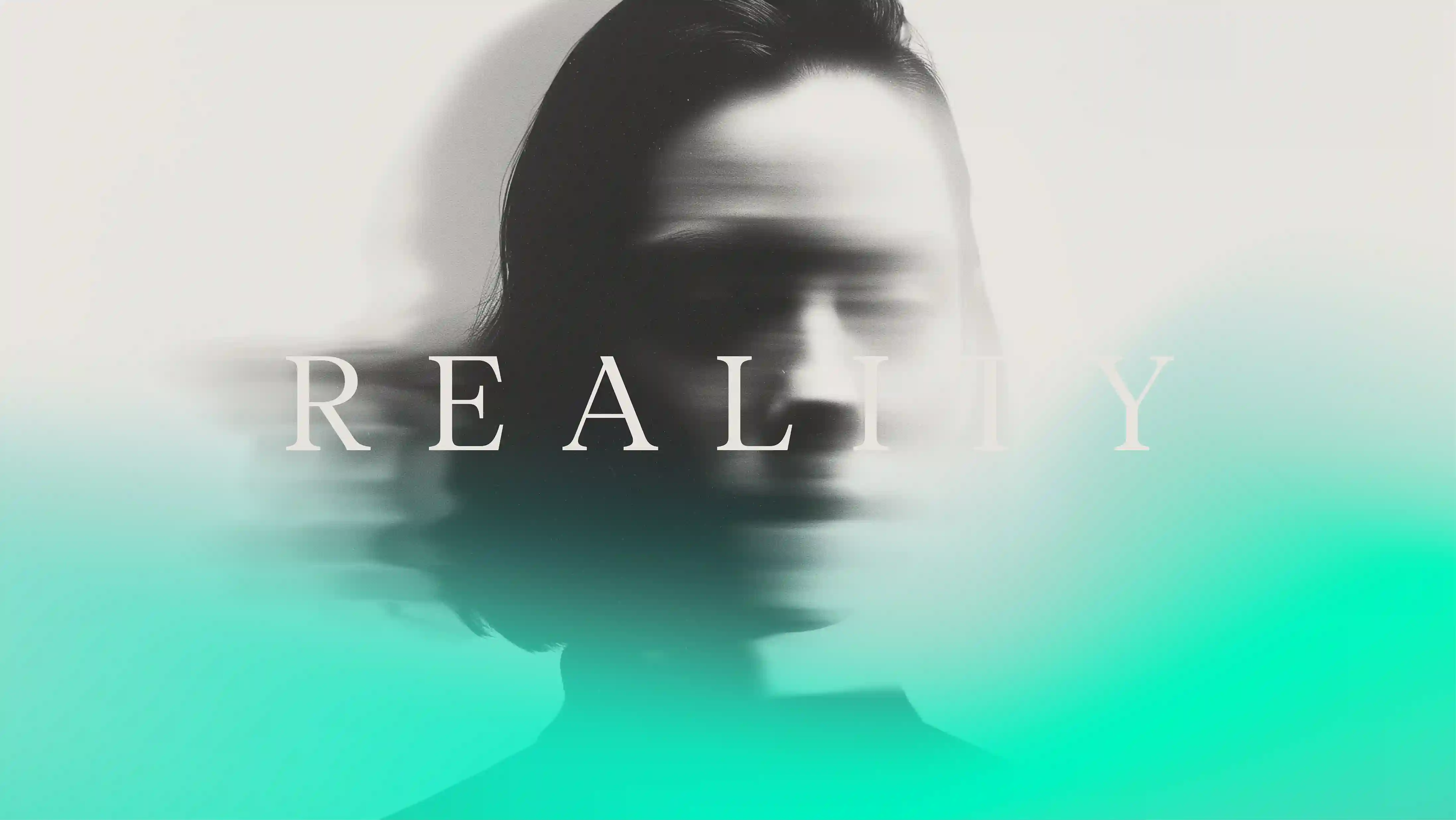
In a context where artificial intelligence multiplies and amplifies both opportunities and risks, the brand is becoming a critical strategic asset to protect reputation, build trust and generate long-term value, in the face of increasing saturation and misinformation.
Trust as a strategic asset for brands in the face of disinformation and deepfakes.
Deepfakes have taken disinformation to a whole new level. We are no longer talking only about fake news, but about videos, audio and messages that appear real and use images and voices without consent.
Figures such as Rafa Nadal and Tom Hanks have spoken out against the fraudulent use of their image in AI-generated videos for scams or messages they would never endorse. The pattern is clear: appropriating established reputations in an attempt to generate artificial, yet immediate, trust.
Algunos han ido un paso más allá. Matthew McConaughey, por ejemplo, ha registrado recientemente su voz y su imagen ante la Oficina de Patentes y Marcas de EE.UU. como medida preventiva frente a futuros deepfakes. La protección de marca ya no es solo de comunicación; es también jurídica y estratégica.
Some have gone a step further. Matthew McConaughey, for example, has recently registered his voice and likeness with the U.S. Patent and Trademark Office as a preventive measure against future deepfakes. Because brand protection is no longer just a matter of communication; it is also legal and strategic.
And this is where the brand reveals its true potential. When a brand is strong, audiences detect inconsistency. The message does not align with the brand’s track record or the values built over time. That friction acts as a warning signal. Because a brand does more than identify — it filters and validates.
Authenticity therefore ceases to be a creative luxury and becomes a protective pillar against disinformation and potential reputational crises.
When credibility matters more than visibility
Trust is now one of the scarcest assets. According to the Edelman Trust Barometer 2025, consumers trust brands more than many traditional institutions, and expect integrity and leadership from them in the face of challenges such as misinformation.
In an environment saturated with stimuli, brands are no longer competing solely for attention, but for credibility. And credibility is not built through isolated actions, but through identity, purpose and sustained coherence.
When that coherence exists, the brand becomes a frame of reference that helps distinguish what is real from what is artificial.
Authenticity in times of noise
In the age of overstimulation, authenticity is power. And the risk does not always come from outside.
Recent campaign examples from brands such as Gucci, McDonald’s and Coca-Cola show how the intensive use of AI in creative campaigns, when not aligned with brand essence, can be perceived as cold, generic or artificial. In reality, the debate is not about the use of technology itself, but about the potential loss of identity. In reality, the debate is not about the use of technology itself, but about the potential loss of identity. The problem is not AI, but rather the erosion of brand authenticity. A form of “AI washing” which, while it may deliver short-term efficiencies, ultimately weakens emotional connection and generates effects similar to disinformation: confusion, distance and mistrust.
The brand as a compass in an environment without clear rules
Technology is advancing faster than regulation. In that vacuum, the need for responsibility on the part of brands is greater than ever.
It is not enough to protect oneself. Brands must also guide and educate through more human and transparent communication. According to a recent study, 77% of consumers want to know when content has been generated by AI, positioning transparency as a basic condition for building trust-based relationships.
Building a transparent, authentic and coherent brand over time does more than reduce reputational risk. It protects identity and generates sustainable value in an environment where noise threatens clarity and the lack of identity undermines differentiation.
“A strong brand is not just a recognisable logo: it is the reflection of the ability to guide, protect and create genuine connections, in an increasingly saturated, less human and less authentic environment.”
Are brands truly prepared to face the new challenges of the artificial intelligence era?

Carla Caprile Executive Strategy Director
Share
Outstanding articles
A conversation about the value of a brand in inspiring, aligning, and driving growth
The project began as “DigitalDent”, backed by Alantra Private Equity, with the aim of bringing together a broad network of dental laboratories across Spain under a shared vision.

Build to activate: when the brand sets the direction.
The difference between building value and making noise.

A letter about BrandFor, for Brandfor
It all began with a clear purpose: to transform the potential of brands into a true source of value.