
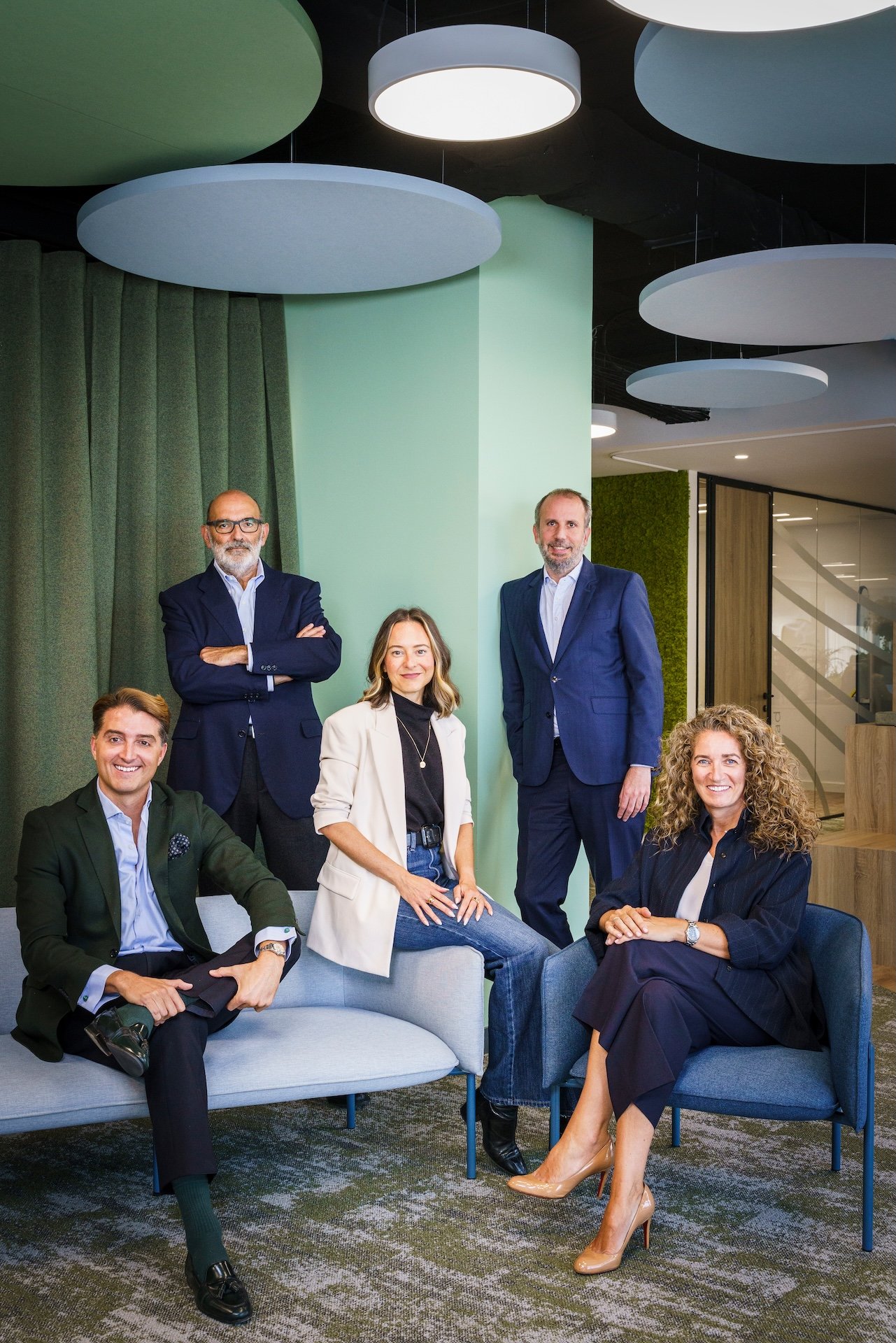
BRANDFOR X URBASER
A conversation on how brand contributes to business value, sustainability and the circular economy.
Fernando Abril-Martorell (CEO)
Carlos Albi (COO)
Natalia Llopis (Communications and Brand)
Urbaser embarked on a 360° brand transformation process to express its new ambition: making circularity real and building a more sustainable future. A unique value proposition focused on environmental solutions across the entire value chain, strengthening its positioning and accelerating its growth.
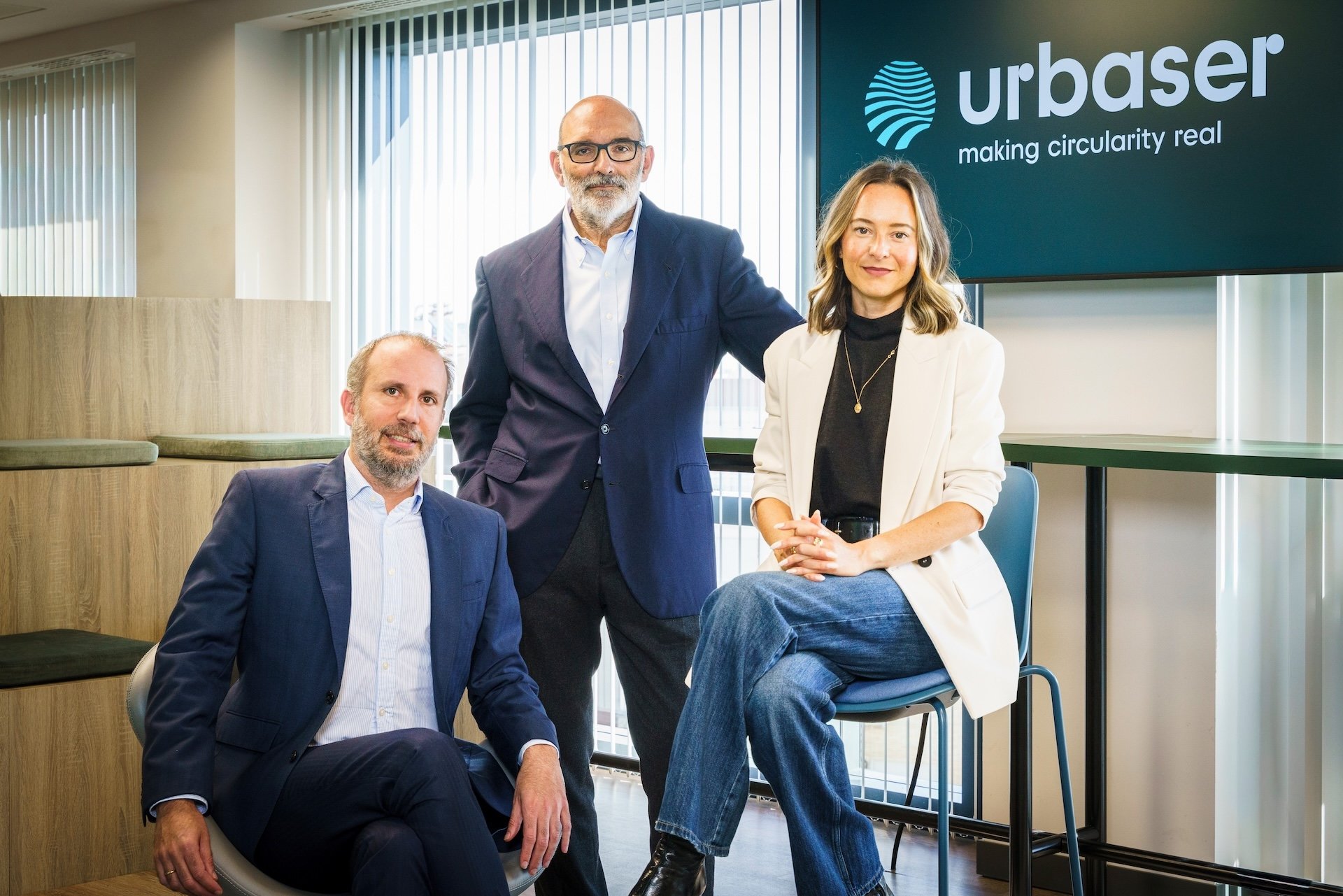
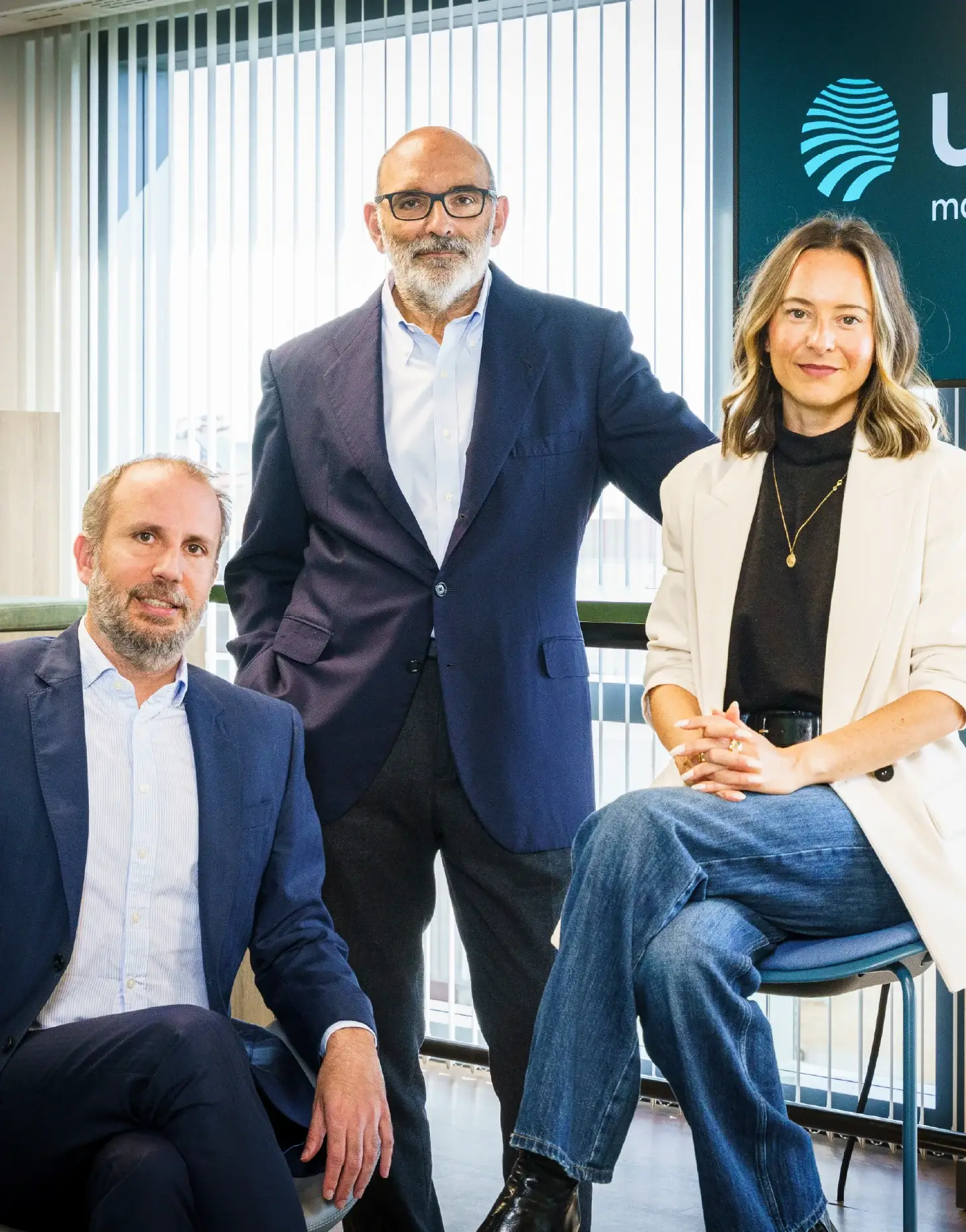
BrandFor has been supporting and accompanying Urbaser along this transformation process since 2022. Through a conversation between Fernando Abril-Martorell (CEO), Carlos Albi (COO) and Natalia Llopis (Communications and Brand Manager) from Urbaser, and Ismael Merlo and Patricia Arias (Partners) from BrandFor, we have had the opportunity to explore the key factors behind this journey of value creation.
We needed a brand that matched our ambition, one that would drive cultural transformation among our people and reflect not only what we do but also the value we create.
Fernando Abril-Martorell
01. THE INITIAL BRAND CHALLENGE
Looking back, when did you realise that strengthening the brand would be essential for Urbaser?
Fernando Abril-Martorell. Changing a company’s image is key to transforming its culture. It is not simply about repositioning, but about driving cultural change across the organisation, with a direct impact on its people. Urbaser also plays an essential role in addressing some of the greatest challenges of our time: sustainability, resource management and circular economy. We needed a brand that matched our ambition, one capable of reflecting not only what we do but also the value we create. It was not simply about changing our image, but about something bigger that would have an impact on our company culture: expressing who we are, where we are heading and our firm commitment to making circularity real.
How did you think the branding project would bring value to the business?
F.AM. The brand has an impact not only on the business, but also on its people. It needed to help turn Urbaser’s strengths into a clear, recognisable and distinctive value proposition, capable of building trust and driving the business forward while transforming the company’s culture. One of the major challenges of the brand project was to evolve from being a service provider into an environmental solutions company, strengthening our market position and our relationships with clients, institutions, employees and society as a whole, while also building engagement among our people, so that they truly embrace and live Urbaser’s values.
The challenge was to translate the brand strategy into a common language for the whole company.
Carlos Albi
What would you say was the biggest challenge facing the brand transformation process?
F.AM. The biggest challenge was transforming the company without losing our track record and heritage, aligning business areas, realities and geographies around a common purpose. The brand needed to act as a strategic compass, providing consistency and guiding decision-making. The aim was to turn the brand into a tool for both internal and external alignment.
Carlos Albi. From a business perspective, the challenge was to translate the brand strategy into a clear, relevant value proposition, with a common language for the whole company. The brand needed to connect Urbaser’s capabilities and strengths, reinforce what sets us apart and drive commercial activity. To achieve this, it had to become part of our teams’ day-to-day work and ways of working.
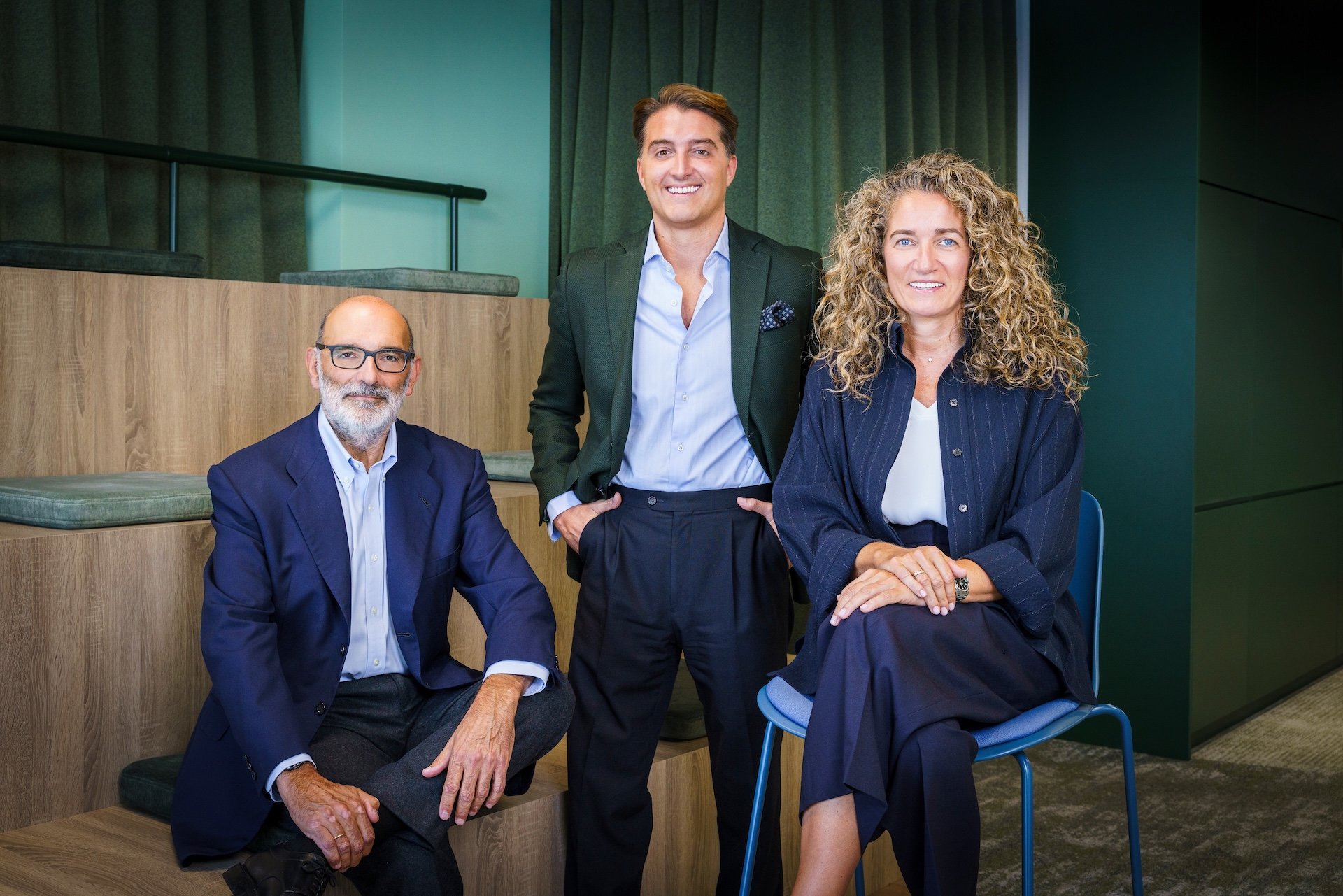
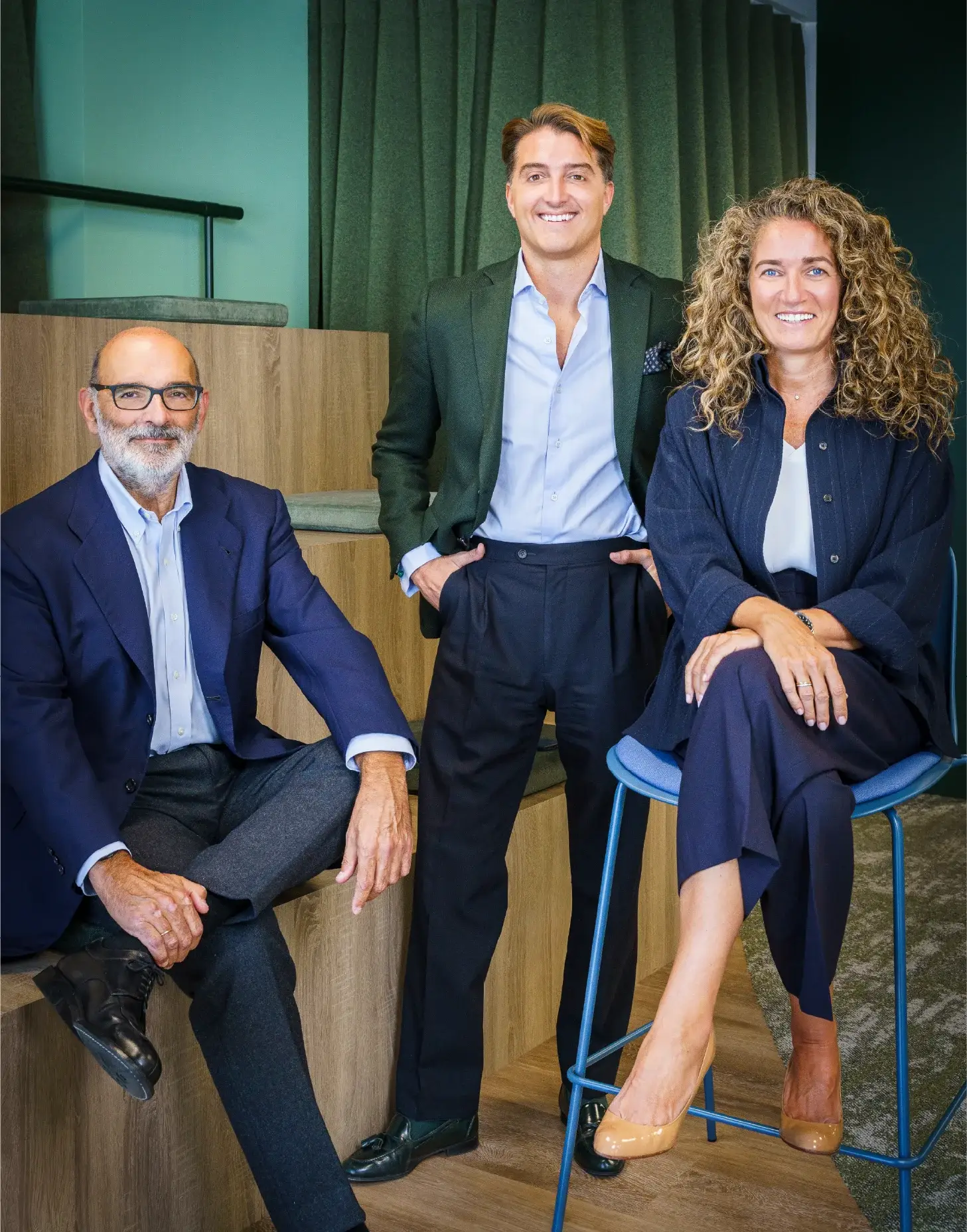
Making Circularity Real’ means turning circularity into tangible value for people, cities and the planet.
Natalia Llopis
02. BRAND TRANSFORMATION: THE IMPACT OF THE PROJECT
In terms of Brand Purpose and Strategy, how has it helped you communicate a relevant message to the market? And build a shared culture?
F.AM. ‘Making Circularity Real’ is a central pillar that expresses and encapsulates our ambition: to turn circularity into a reality and unlock the value of resources to build a more sustainable future. It is a purpose that allows us to communicate the value we bring clearly, while building a shared culture guided by common values that shape how we make decisions and act: commitment, expertise, reliability and inspiration.
C.A. Our brand strategy allows us to organise and present our capabilities and solutions through a clear, distinctive value proposition for our clients. At Urbaser, we offer leading environmental solutions worldwide, addressing circularity challenges across the entire value chain, for both our clients and society. Our values come to life every day: in our commitment to people and the planet, the expertise gained over more than 35 years, the reliability we bring to every project and operation, and the inspiration that drives us. These are not words chosen at random; they are values inherent to Urbaser and everyone who is part of the company.
Natalia Llopis. Urbaser’s purpose has enabled us to build a shared story that goes beyond describing our services. ‘Making Circularity Real’ means turning circularity into tangible value for people, cities and the planet. And our values, which, as Carlos said, are not just words, give that story a human dimension: commitment to and from our people, the expertise we share every day, the trust we build and the inspiration to continue improving. Because we want people not only to understand the Urbaser brand, but to live and feel it.
Today, the brand is a strategic asset that drives our culture, our commercial effectiveness and, ultimately, our business.
Fernando Abril-Martorell
What would you say has been the impact of the brand transformation project over the past few years?
F.AM. The brand project has given Urbaser a clearer identity, a shared vision and a stronger value proposition. It has enabled us to strengthen our market positioning, align our transformation plan and connect our business strategy with our contribution to society. It has also brought us closer to our employees: we know our people feel more connected to the company thanks to the brand values and the new visual identity, which convey approachability, freshness and professionalism. Today, the brand is a strategic asset that drives our culture, our commercial effectiveness and, ultimately, our business.
The visual identity has been key to presenting a global, unified company.
Fernando Abril-Martorell
03. KEY ASPECTS OF THE PROJECT’S VISUAL IDENTITY
How has the new brand design helped make an activity that is essential to cities, people and society more visible and better understood?
F.AM. The visual identity has been key to transforming perceptions of Urbaser, making the value of the capabilities, solutions, technology and people behind what we do more visible, presenting a global, unified company and strengthening our recognition in the market. An identity that reflects the scale of our business and our ability to lead on the environmental challenges of the future.
C.A. Urbaser’s visual identity provides a recognisable, consistent system across every touchpoint, from a sales presentation to our facilities. Every element, the logo, colours, typography and graphic system, works together to present a more unified company, make our capabilities visible and reinforce the clarity and consistency of our brand.
N.Ll. The brand’s design has allowed us to tell a better story about everything behind our work. We wanted a contemporary, innovative and recognisable brand, but also one that felt approachable and could adapt to different contexts. The value of the identity lies in the system as a whole, and in the story and narrative it allows us to develop: a distinctive, flexible visual system that gives visibility to our people, innovation and the real impact of what we do.
Our brand purpose, values and personality must be shared, but their expression needs to engage with and adapt to each local reality.
Natalia Llopis
Urbaser operates across very different countries, cities and contexts. How do you strike the balance between protecting a shared identity and allowing it to evolve and adapt?
N.Ll. The balance lies in protecting what defines us while allowing flexibility in certain contexts. We simply cannot communicate in exactly the same way in Spain and, for example, Colombia, even though we are the same company. Our brand purpose, values and personality must, of course, be shared, but the way they are expressed needs to engage with and adapt to each culture and local reality, and that is always a priority. A global identity should not have to be rigid: it should ensure consistency and recognition while giving each team room to make it their own.
Three years on from the rebrand, has design and creativity changed anything at Urbaser that you would never have imagined at the start of the project?
N.Ll. So many things. Those of us who started the project were not aware of the real impact a good rebrand could have on an organisation. We tend to think of it as an aesthetic change to make a brand look better, but it is definitely much more than that. It is a new, more intentional way of telling people who we are, which helps us communicate more clearly with both the business and employees. It is important to remember that a rebrand cannot be a one-off exercise: at Urbaser, creativity has helped us explain who we are more effectively and build a shared story that our teams can see themselves in.
04. CULTURE, ENGAGEMENT AND BRAND IMPLEMENTATION
How would you say attitudes towards Urbaser as an employer brand have evolved?
F.AM. The brand transformation has enabled us to strengthen our ability to attract and engage talent around a project with real impact. Our narrative helps people understand not only what we do, but what they can contribute and how they can grow with us. We want working at Urbaser to mean being part of a transformation that is essential to the future of resources and the planet.
C.A. We have certainly seen a greater interest in us as an employer brand; more and more professionals are approaching Urbaser to begin or continue their career development with us. The brand transformation has given us a shared narrative and identity to express our employer value proposition more effectively. We work every day to make it a reality and a source of inspiration for our teams, measuring its impact on talent attraction, engagement and retention.
The key has been to put the brand into practice through actions that bring our values to life and turn them into behaviours. ‘Living our Values’ has helped teams connect with those values and make them their own.
Carlos Albi
What has been most important in activating the brand internally and involving employees? And externally? How has the ‘Living our Values’ initiative created value?
C.A. The key has been putting the brand into practice. As Natalia pointed out, we need to keep taking action to bring it to life and turn our values into specific behaviours, ways of collaborating and ways of working. Initiatives such as ‘Living our Values’ have helped teams connect with those values and make them their own. Externally, the challenge is to show that same consistency in every interaction with clients, partners and institutions. Because a brand is built as much through what we do as through what we say.
N.Ll. As I said earlier, changing the brand is just the beginning. The second part is activation, and that starts by listening to and involving people. ‘Living our Values’ gave us an opportunity to recognise and showcase the year’s most outstanding projects and colleagues; we like to call it Urbaser’s ‘Oscars ceremony’. Through this initiative, we recognise the people and projects that receive the most votes for each of Urbaser’s four values. So we have four categories: Expertise, Reliability, Commitment and Inspiration. It is the night when our brand, and all of us, shine together.
The brand transformation has given us a coherent narrative to communicate our purpose more effectively.
Natalia Llopis
How has the brand transformation helped with Urbaser’s communications and brand activation?
N.Ll. The brand transformation has given us a coherent narrative to communicate our purpose, innovation and positive impact more effectively. We apply the same strategy to sponsorships: we prioritise initiatives aligned with our values that allow us to connect with relevant audiences and build an authentic relationship with the brand. One example is our partnership with Noches del Botánico, a festival where nature and environmental protection take centre stage. We contribute our expertise to support its circular economy activities (protecting the site’s flora and fauna, reusing furniture, marking recycling points, raising awareness about caring for the space, and more). We are committed to working with partners who share our values.
Celebrating an anniversary is a special opportunity for a brand. How has Urbaser made the most of this moment?
N.Ll. We have turned Urbaser’s 35th anniversary into a bridge between our heritage and our future. An opportunity to recognise the people who have built Urbaser, highlight our contribution and share the ambition that drives us. Because our history gives us credibility, but it is our purpose “making circularity real” that points the way forward.
To build a strong brand, you need to involve the whole organisation from the very beginning.
Fernando Abril-Martorell
A brand only creates value when it is put into practice.
Carlos Albi
To finish, how would you sum up the main lessons and recommendations for anyone undertaking a comprehensive brand project?
F.AM. To build a strong brand, you need to start with strategy, define a clear ambition and involve the whole organisation from the very beginning, with enthusiasm and a sense of responsibility. The main lesson is that a brand goes beyond its visual identity: it must guide decisions, align teams and transform the way people act. A strong brand is not built overnight, but through consistency and long-term commitment.
C.A. A comprehensive brand project must connect strategy, business, commercial approach, culture and implementation. To achieve that, you need to define responsibilities, equip teams with the right tools and ensure consistency across every touchpoint. Above all, you need to measure its impact and link the brand’s evolution to real business objectives. Because a brand only creates value when it is put into practice.
The brand has given us direction, helped us drive the business forward and present the future we want to build.
Fernando Abril-Martorell
How would you sum up the value the brand project has brought to Urbaser’s business plan?
F.AM. The brand gives us direction and differentiation. It reinforces trust, makes our contribution to society visible and connects Urbaser’s capabilities with market needs and the major environmental challenges we face. Its value lies in driving the business forward and presenting the future we want to build, by making circularity real.
Share
Outstanding articles
A conversation about the value of a brand in inspiring, aligning, and driving growth
The project began as “DigitalDent”, backed by Alantra Private Equity, with the aim of bringing together a broad network of dental laboratories across Spain under a shared vision.

Build to activate: when the brand sets the direction.
The difference between building value and making noise.

In the artificial age, brands keep it real.
Trust as a strategic asset for brands in the face of disinformation and deepfakes.